


How to Deduct TDS on GST Bill Example Explained
- Updated On:02 Mar 2026
 Views
Views- 1 min read
https://www.shriramlife.com/blog/advice/how-to-deduct-tds-on-gst-bill-example


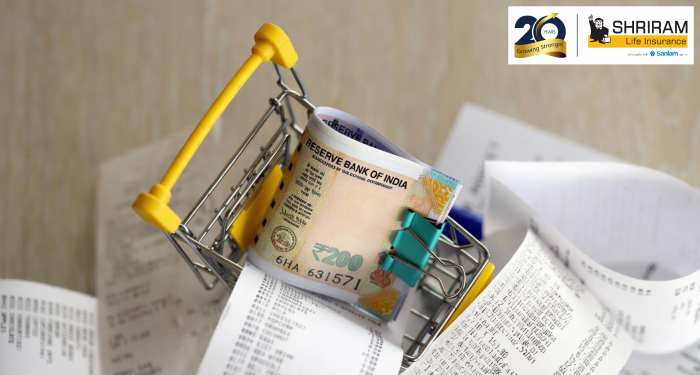
Understanding how to deduct TDS on GST bill example helps businesses stay compliant with GST laws while ensuring transparency in payments. TDS under GST applies mainly to government departments, PSUs, and notified authorities making payments to suppliers. Let’s explore the steps and a practical example.
Step-by-Step Guide on How to Deduct TDS on GST Bill Example
1. Confirm Applicability
TDS under GST applies when the contract value exceeds ₹2.5 lakh (excluding GST). Only specific entities, such as government departments and PSUs, are required to deduct it.
2. Identify the Taxable Value
While learning how to deduct TDS on a GST bill example, remember that TDS is calculated on the taxable value before GST is added.
3. Calculate TDS
The TDS rate is 2% of the taxable value.
- For intra-state supply: 1% CGST + 1% SGST
- For inter-state supply: 2% IGST
4. Deposit and File Return
The deducted TDS must be deposited using Form GSTR-7 by the 10th of the following month.
5. Issue TDS Certificate
The deductor must issue Form GSTR-7A to the supplier, who can then claim TDS credit in their electronic cash ledger.
Example: How to Deduct TDS on GST Bill Example
If the contract value is ₹4,00,000 and GST is 18% (₹72,000), the total invoice becomes ₹4,72,000.
TDS = 2% of ₹4,00,000 = ₹8,000.
The payment to the supplier will be ₹4,64,000 after TDS deduction.
The ₹8,000 deducted is deposited with the government and reflected in the supplier’s account.
This simple breakdown of how to deduct TDS on a GST bill example ensures both compliance and smooth tax credit flow.
Master How to Deduct TDS on GST Bill Example
Knowing how to deduct TDS on a GST bill example ensures compliance, prevents penalties, and streamlines tax credit reconciliation for both the deductor and supplier.
Plans worth exploring
 Shriram Life Flexi-Shield Plan
Comprehensive Protection

Shriram Life Flexi-Shield Plan  Shriram Life Sunishchit Laabh
Secure your family's future
Shriram Life Sunishchit Laabh  Shriram Life Wealth Pro Plan
Strong Returns, Steady Protection
Shriram Life Wealth Pro Plan

Why Shriram Life
Experience
Lives covered
Claims Settled (FY 2025-26)
Explore more topics
Trending searches
Find the right plan for you
OTP Verification
Please Enter OTP that has been sent to your registered
Mobile Number +91





Get a call Back to Plan Your Life Insurance
OTP Verification
Please Enter OTP that has been sent to your registered
Mobile Number +91

We’ve Got Your Details
You’re one step closer to securing a guaranteed income. Our team will contact you soon.


