


What Is a Tax Rebate? A Simple Guide for Taxpayers
- Updated On:25 Jun 2026
 Views
Views- 2 min read
https://www.shriramlife.com/blog/advice/what-is-a-tax-rebate


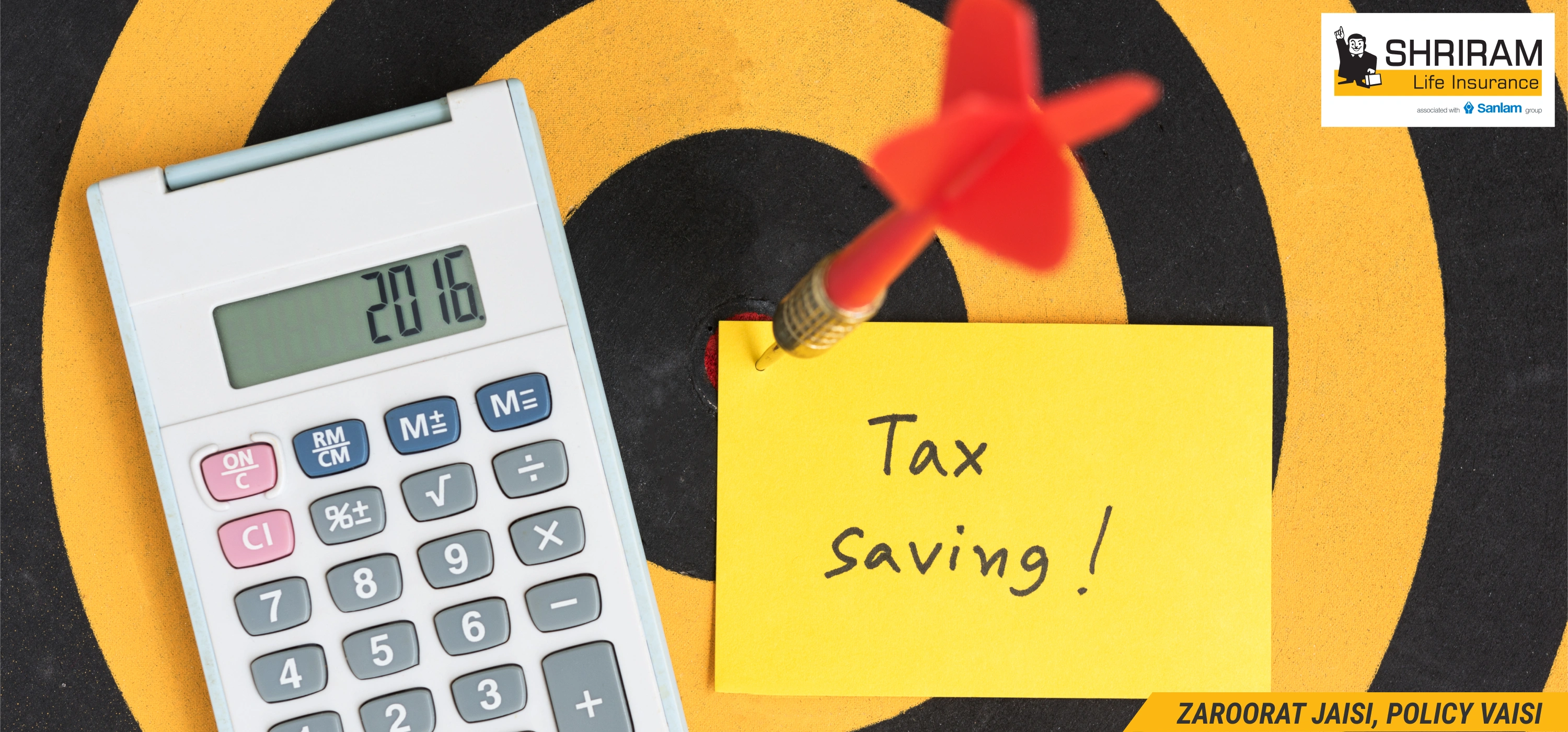
If you've ever wondered what is a tax rebate, you're not alone. Many taxpayers confuse a tax rebate with tax deductions and exemptions. However, understanding what a tax rebate is can help you reduce your overall tax liability and make better financial decisions.
A tax rebate is a benefit provided by the government that reduces the amount of income tax you need to pay. It is designed to offer relief to eligible taxpayers and encourage compliance with tax regulations. Knowing tax rebate can help you plan your taxes more efficiently and maximise available benefits.
How Does a Tax Rebate Work?
Understanding what a tax rebate is becomes easier when you know how it is applied. A tax rebate is deducted from the total tax payable after your tax liability has been calculated.
For example, if your tax liability is ₹20,000 and you qualify for a rebate of ₹20,000, your final tax payable becomes zero. Under the applicable provisions of the Income Tax Act, eligible taxpayers can claim tax rebates subject to specified income limits and conditions.
Unlike deductions that reduce your taxable income, a tax rebate directly reduces the tax amount payable, making it a valuable tax-saving benefit.
Who Can Claim a Tax Rebate?
When learning what is a tax rebate, it is equally important to understand eligibility. Tax rebates are generally available to resident individual taxpayers who meet the prescribed income criteria under the relevant financial year.
The government may revise rebate limits from time to time through Union Budget announcements. Therefore, taxpayers should review the latest tax rules before filing their returns.
A tax rebate can be particularly beneficial for salaried individuals, pensioners, and small taxpayers looking to optimise their tax outgo while maintaining compliance.
Also Read: Understanding tax rebates is just one part of effective tax planning. Discover practical strategies to optimise your taxes under the new tax regime with our detailed guide |
Tax Rebate and Smart Financial Planning
Knowing what is a tax rebate can support better financial planning. While rebates help lower tax liability, combining them with disciplined savings and long-term financial products can further strengthen your financial future.
Life Insurance plans, retirement-focused investments, and other tax-efficient financial instruments can play an important role in achieving both protection and tax planning goals.
FAQs
A tax rebate is a reduction in the amount of income tax payable by an eligible taxpayer. It directly lowers the final tax liability.
Eligibility for a tax rebate depends on factors such as residential status, taxable income, and prevailing tax regulations for the financial year.
A tax deduction reduces taxable income, whereas a tax rebate reduces the actual tax payable after tax calculation.
Plans worth exploring
 Shriram Life Flexi-Shield Plan
Comprehensive Protection

Shriram Life Flexi-Shield Plan  Shriram Life Sunishchit Laabh
Secure your family's future
Shriram Life Sunishchit Laabh  Shriram Life Wealth Pro Plan
Strong Returns, Steady Protection
Shriram Life Wealth Pro Plan

Why Shriram Life
Experience
Lives covered
Claims Settled (FY 2025-26)
Explore more topics
Trending searches
Find the right plan for you
OTP Verification
Please Enter OTP that has been sent to your registered
Mobile Number +91



Get a call Back to Plan Your Life Insurance
OTP Verification
Please Enter OTP that has been sent to your registered
Mobile Number +91

We’ve Got Your Details
You’re one step closer to securing a guaranteed income. Our team will contact you soon.


