


How to E Verify Income Tax Return
- Updated On:30 Jun 2026
 Views
Views- 2 min read
https://www.shriramlife.com/blog/advice/how-to-e-verify-income-tax-return


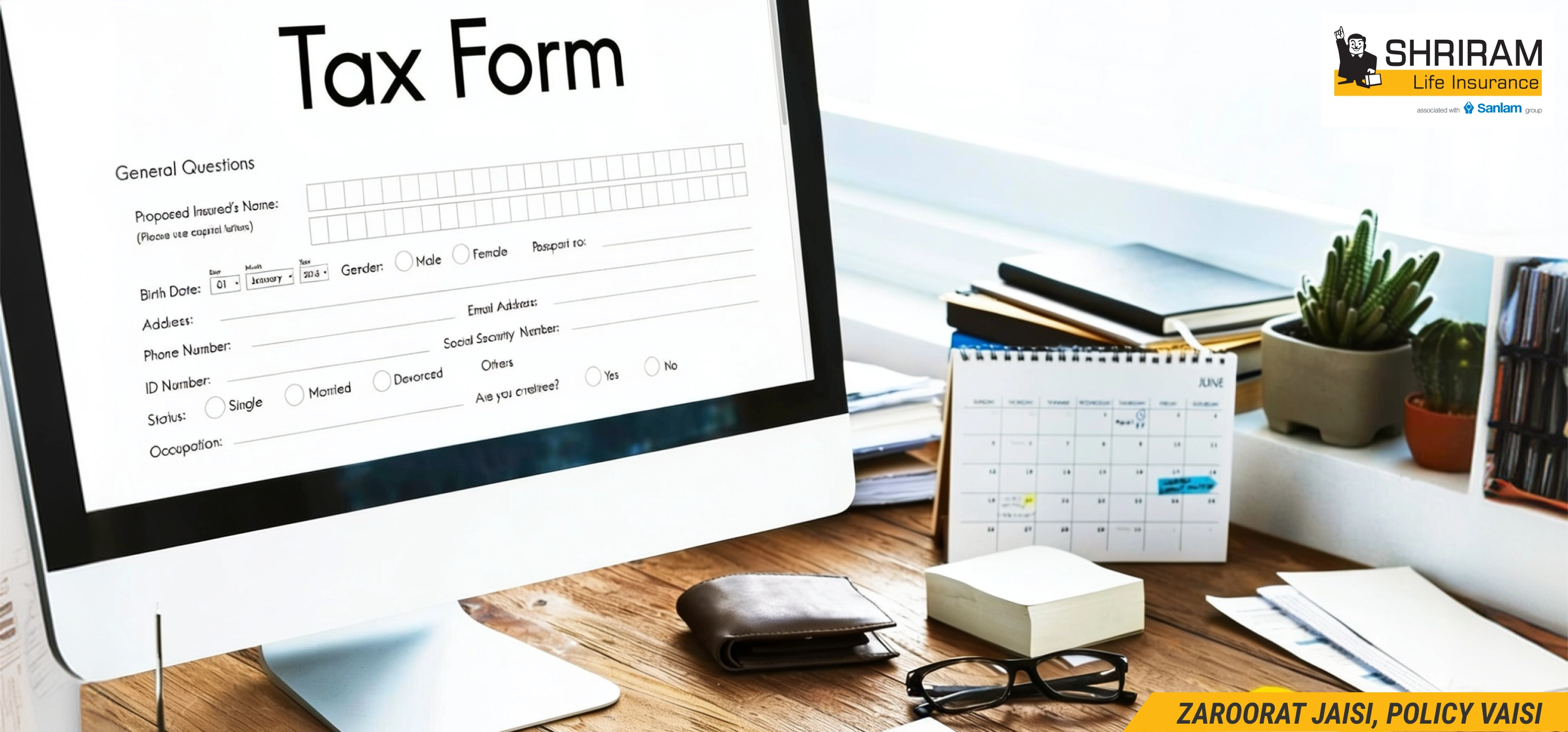
Filing your income tax return is only half the job done. The step that actually completes it is e-verification. Until you E Verify your income tax return, the Income Tax Department does not process it, which means your filing is technically incomplete.
It is a quick step, but an important one. And getting it right matters, especially when your ITR is needed for loans, insurance applications, or long-term financial planning.
Why You Must E Verify Your Income Tax Return
An unverified return is treated as invalid by the Income Tax Department, regardless of how accurately it was filed. This can lead to penalties, notices, or loss of refunds.
Beyond compliance, a verified ITR also serves as one of the most reliable proof-of-income documents. Lenders and insurance providers refer to it when assessing your financial standing. So when you E Verify your income tax return on time, you are not just closing a filing formality. You are keeping your financial credibility intact.
How to E Verify Income Tax Return: Step by Step
The process is straightforward and available on the official Income Tax e-Filing portal at incometax.gov.in. You have multiple methods to choose from.
- Using Aadhaar OTP: Log in to the portal, go to your filed return, and select "e-Verify." Choose the Aadhaar OTP option. An OTP will be sent to your Aadhaar-linked mobile number. Enter it to complete verification instantly.
- Using Net Banking: Log in to your bank's net banking portal and navigate to the income tax e-filing section. Verify directly from there. Most major Indian banks support this method.
- Using Bank or Demat Account EVC: Generate an Electronic Verification Code through your pre-validated bank or demat account and use it on the portal.
- Using a Digital Signature Certificate: Mainly used by businesses and professionals who hold a valid DSC.
The deadline to e verify your income tax return is 30 days from the date of filing. Missing this window means you will need to send a physical ITR-V to the CPC in Bengaluru, which adds unnecessary delay.
What Happens After You E Verify Your Income Tax Return
Once you E Verify your income tax return, the department begins processing it. Refunds, if applicable, are credited directly to your pre-validated bank account, usually within a few weeks.
A verified return also becomes a cleaner document for financial use. Whether you are applying for a home loan, buying a life insurance policy with a higher sum assured, or building a retirement corpus, your ITR needs to be verified and accurate for it to work in your favour.
Tax Filing Done. Financial Planning Next. A verified ITR is a strong foundation, but it is only the beginning. Pair it with the right protection and savings plan to secure what matters most. Explore Shriram Life Insurance's range of plans today. |
The process to e verify your income tax return takes just a few minutes, but its impact on your financial record is significant. A verified ITR keeps your compliance in order, speeds up refunds, and strengthens your financial profile for everything that follows. Do not leave it pending once you have filed.
FAQs
Yes. If you do not E Verify your income tax return within 30 days of filing, it is treated as not filed. This can result in loss of refunds or a notice from the Income Tax Department.
Yes. The Aadhaar OTP method only requires your mobile number to be linked with Aadhaar and works independently of net banking. It is the simplest option available.
Processing typically begins within a few days of verification. Refunds, if applicable, are usually credited within a few weeks, directly to your pre-validated bank account.
Plans worth exploring
 Shriram Life Flexi-Shield Plan
Comprehensive Protection

Shriram Life Flexi-Shield Plan  Shriram Life Sunishchit Laabh
Secure your family's future
Shriram Life Sunishchit Laabh  Shriram Life Wealth Pro Plan
Strong Returns, Steady Protection
Shriram Life Wealth Pro Plan

Why Shriram Life
Experience
Lives covered
Claims Settled (FY 2025-26)
Explore more topics
Trending searches
Find the right plan for you
OTP Verification
Please Enter OTP that has been sent to your registered
Mobile Number +91





Get a call Back to Plan Your Life Insurance
OTP Verification
Please Enter OTP that has been sent to your registered
Mobile Number +91

We’ve Got Your Details
You’re one step closer to securing a guaranteed income. Our team will contact you soon.


